Guides · Perry, Florida
Perry, Florida: The Timber Town Behind the Forest Festival
Perry is not a resort town with a festival. It is a timber town whose festival is the annual public accounting of the industry that built it.
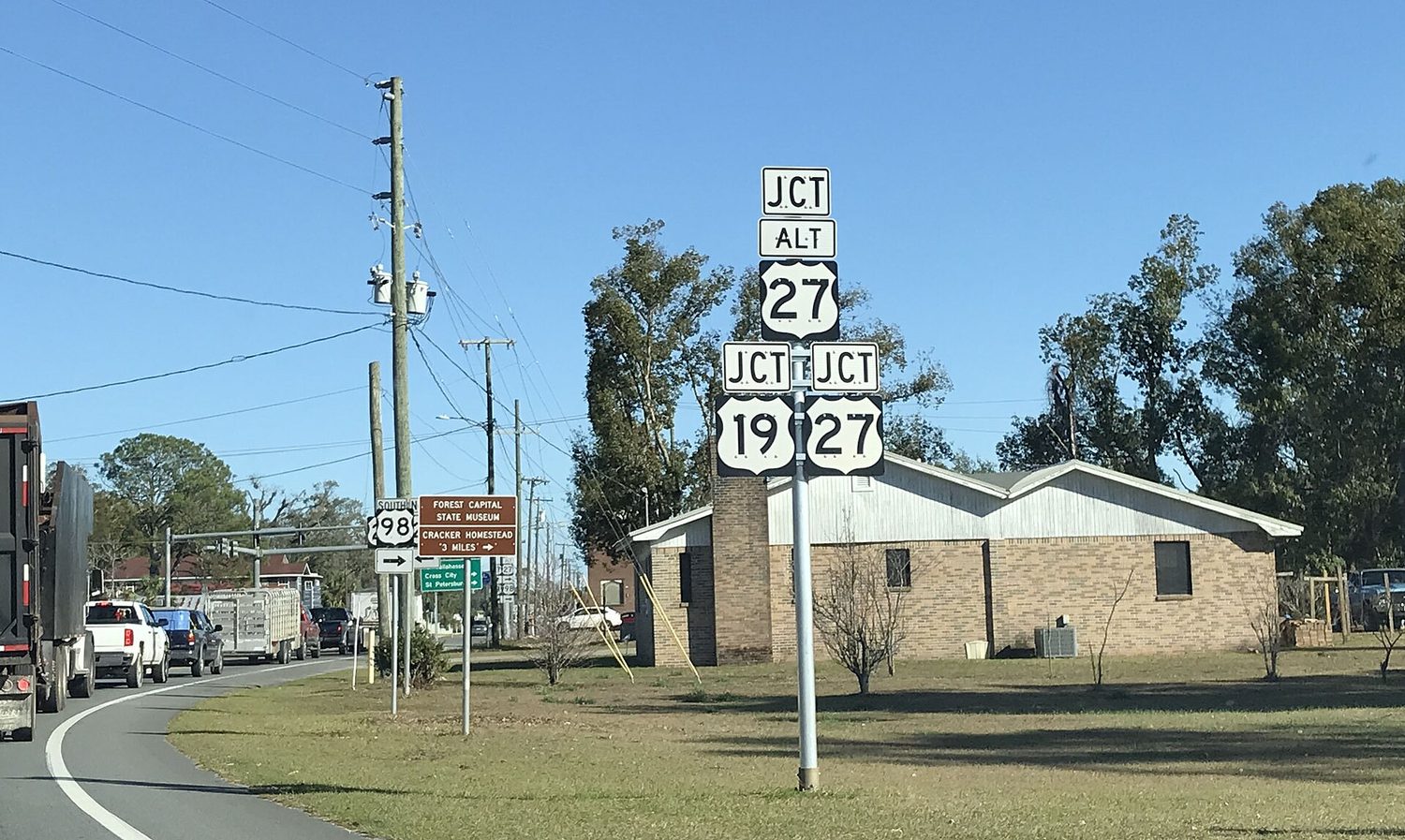
Rosehead to Tree Capital: How a Railroad Stop Became a Timber Town
The settlement that became Perry started as Rosehead, a name that suggests nothing in particular. In 1875 it was renamed Perrytown after Madison Starke Perry, the fourth governor of Florida, and the name was later shortened to Perry. The town was incorporated in 1903 and made the county seat of Taylor County.
The renaming mattered less than the reason for the town's existence. Timber drove Taylor County's economy from the start, and Perry existed to serve that industry. The "Tree Capital of the South" title is not a marketing slogan. It is a statement of fact about what the town does and has always done.
Why Perry's Forest Festival Began with Fire
The Florida Forest Festival began in 1956 as the Pine Tree Festival. It was not created to draw tourists. It was created to teach forestry heritage and fire safety at a time when forest fires were crippling the county's timber industry. The timber economy was literally burning down, and the festival was a response.
That origin matters. The festival was an educational tool for a working population that depended on the forest. It was a way to tell people in Taylor County—and the industry itself—that the forest could be managed, protected, and harvested sustainably. The celebration came second; the survival of the industry came first.
World's Largest Free Fish Fry Feeds Perry's Timber Workers
The festival's Saturday centrepiece is the King Tree Parade down Jefferson Street, followed by the World's Largest Free Fish Fry at Forest Capital Park from noon. This is not a catered event. It is a communal meal for a working population—people who spend their days in the woods, at the mills, and on the trucks that move the timber.
Beyond the fish fry, the festival includes chainsaw and cross-cut competitions, the Paul Bunyan Lumberjack Show, and the Great Race 5K. These are not quaint demonstrations. They are skills and contests rooted in the work of the timber industry. The chainsaw and cross-cut competitions are the festival's way of honouring the tools and trades that built the town.
Forest Capital Museum: Perry's Tribute to Timber Heritage
Forest Capital Museum State Park sits on 13 acres one mile south of Perry on US 19/US 98. It holds displays on the history of the forest industry and the wildlife of the forest. This is not a hands-on attraction with gift shops and photo ops. It is a place of education, showing how the forest works, how it has been worked, and what lives in it.
Beside the museum stands a reconstructed Cracker homestead—house, barn, well, arbor and garden. It shows how a Florida homestead family lived. The homestead is not a stage set. It is a reminder that the people who worked this land did so without the conveniences of modern life, and that the timber economy was built by their labour.
Perry's Demographics: A Snapshot of a Working Timber Town
The census figures for Perry tell the story of a working town, not a leisure destination. The population is 6,965 people, with a median age of 34.8 years. The median household income is $44,815, and the unemployment rate is 6.6 percent. Median home value is $122,900, and median gross rent is $949.
There are 2,968 total housing units, of which 552 are vacant. Homes held for seasonal or recreational use: 0 units. That number is the tell. Nobody is buying a second home in Perry. The housing stock is for people who live and work here. Only 18.6 percent of residents hold a bachelor's degree or higher—a figure consistent with an economy that values skilled hands over paper credentials.
These numbers are not failures. They are the shape of a timber town. The work is physical, the pay is modest, and the homes are affordable because the people who live in them work here.
Festival Circuit Comparisons: Perry vs. the Coast
Perry's festival is the only one on the nearby circuit rooted in an extractive industry. The coastal towns celebrate seafood and tourism. Perry celebrates the forest and the work of the forest.
| Town & Festival | Distance from Perry | Rooted in |
|---|---|---|
| Perry – Florida Forest Festival | 0 miles | Timber industry |
| Steinhatchee – Fiddler Crab Festival | 32 miles | Seafood |
| Cedar Key – Cedar Key Seafood Festival | 76 miles | Seafood |
| St. George Island – Chili Cook-Off | 96 miles | Tourism |
| Apalachicola – Florida Seafood Festival | 101 miles | Seafood |
| Port St. Joe – Scallop, Music & Arts Festival | 121 miles | Seafood |
| New Port Richey – Chasco Fiesta | 142 miles | Tourism |
The difference is not just distance. It is the source of identity. The coastal festivals celebrate what comes out of the water or what brings visitors to the beach. Perry's festival celebrates what comes out of the forest—and the people who get it out. That is why it has survived since 1956. The industry it was created to protect is still standing, and the festival still exists to account for it.
Common questions
- Why is Perry called the Tree Capital of the South?
- Perry's identity comes from timber, which has been Taylor County's main economic driver. The name reflects the town's deep roots in the forest industry, celebrated every year since 1956 through the Florida Forest Festival, originally the Pine Tree Festival.
- When is the Florida Forest Festival and what happens there?
- The festival runs annually, with the Saturday centerpiece being the World's Largest Free Fish Fry at Forest Capital Park starting at noon. The morning features the King Tree Parade down Jefferson Street, plus chainsaw and cross-cut competitions, the Paul Bunyan Lumberjack Show, and the Great Race 5K.
- What can I see at Forest Capital Museum State Park?
- The 13-acre park sits one mile south of Perry on US 19/US 98. Inside, you'll find displays on forest industry history and wildlife. Outside, a reconstructed Cracker homestead—house, barn, well, arbor, and garden—shows how a Florida homestead family lived.
- How did Perry get its name?
- The settlement was first called Rosehead. In 1875 it was renamed Perrytown after Madison Starke Perry, Florida's fourth governor, and later shortened to Perry. The town was incorporated in 1903 and has been the Taylor County seat since.
- What's the town's population and how does it feel?
- Perry has about 6,965 people, with a median age of 34.8 years. It's a working forest town, not a resort. Nearly all housing units are occupied year-round—zero are seasonal or recreational—and the median home value is $122,900.
- Are there other festivals nearby if I'm visiting around other times?
- Yes, within a few hours' drive: Steinhatchee (32 miles) has the Fiddler Crab Festival, Cedar Key (76 miles) the Seafood Festival, St. George Island (96 miles) a Chili Cook-Off, Apalachicola (101 miles) the Florida Seafood Festival, and Port St. Joe (121 miles) a Scallop, Music & Arts Festival.
Every business named above is one we hold a listing for, and every date traces to a source on our sources page. We do not describe menus, interiors or service we have not verified. Details change — confirm before you travel.